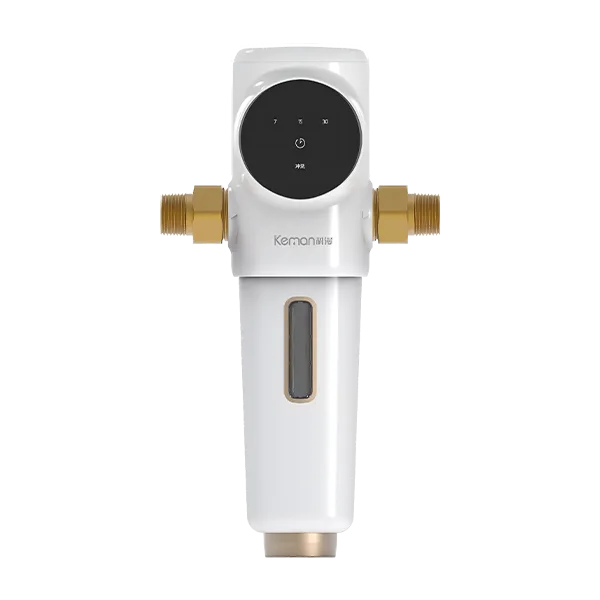
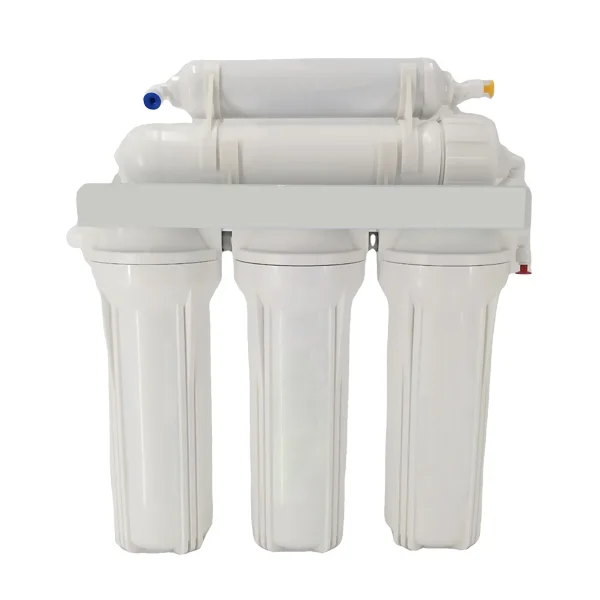
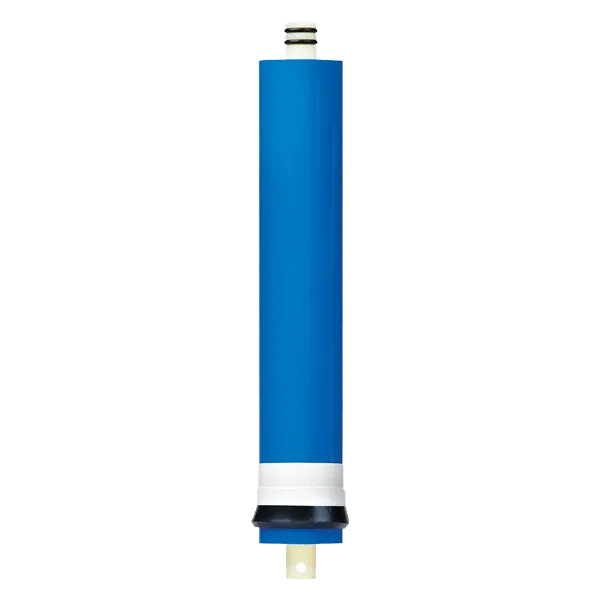
Nuonuo is hugging a filter cartridge and smiling.

Catering Water Solutions for Food Service – Quality Water Source, Enhancing Food Service Excellence

The catering industry has strict requirements for water quality, as it not only affects the quality of dishes and equipment operation but also directly impacts consumer experience and food safety. We are committed to providing catering water solutions with efficient purification equipment and energy-saving, environmentally friendly technology, meeting the water needs of different places, and enhancing food service quality and operational efficiency.

Catering Water Solutions

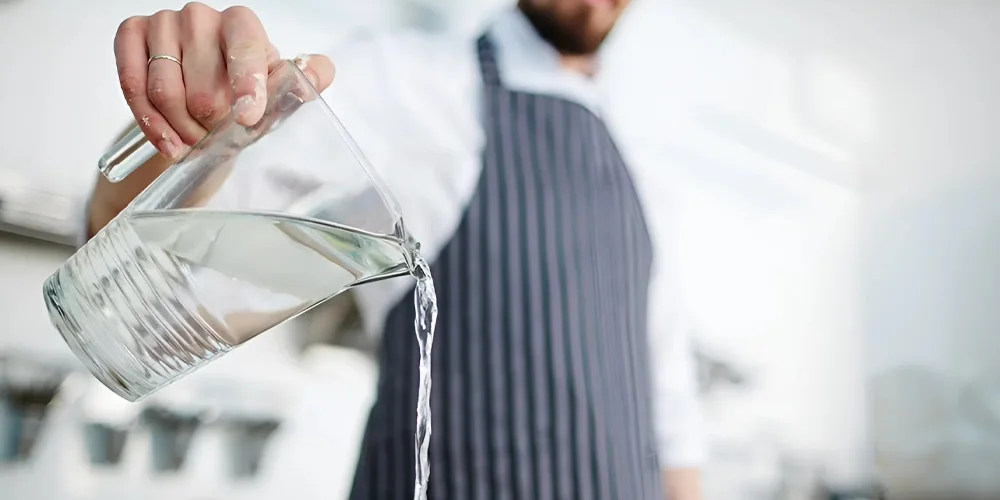
A man is pouring a glass of water.
Needs Analysis
High Water Quality Requirements

The quality of water used in the catering industry is directly related to food safety, and catering water must meet national drinking water standards.

High Water Consumption

Water consumption in the catering industry is concentrated, with a high proportion of water used in kitchens, cleaning, and by customers, leading to high flow demand during peak water consumption times.

Multi-point Uses

Beverage preparation requires high standards for water hardness and taste, while kitchen and cleaning water have lower quality requirements.

Equipment Requirements

Catering equipment such as coffee machines and ice makers need to be used in conjunction with water purification and softening equipment to extend their service life.

Solution Recommendations
Small Catering Establishment

Cafes, Snack Bars, etc.

Demand Characteristics:
  • Low water consumption, but water quality must be ensured, especially for beverage preparation.
  • Limited space requires compact equipment.
Recommended Installation:
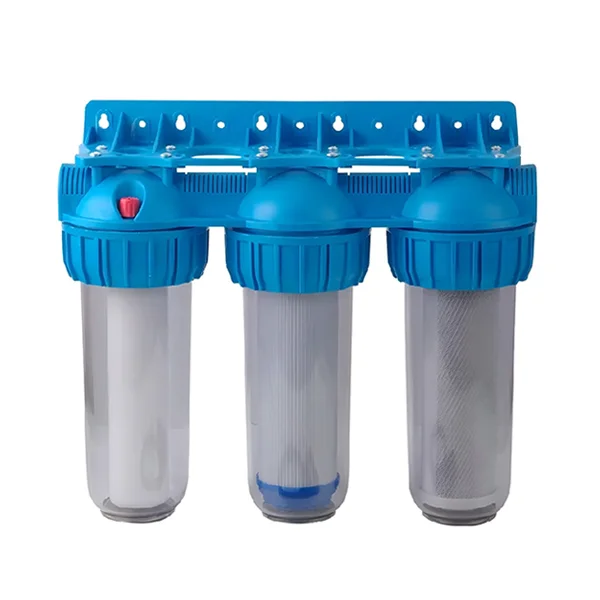
  • Pre-filter: It can remove sand, rust, and large particles, and protect subsequent equipment.
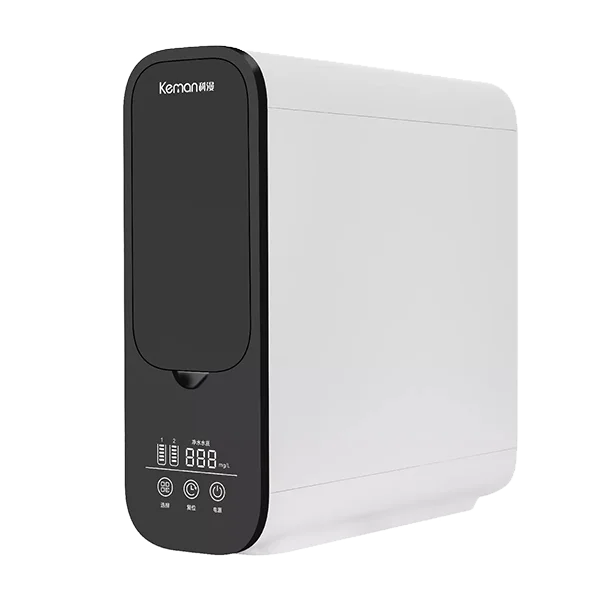
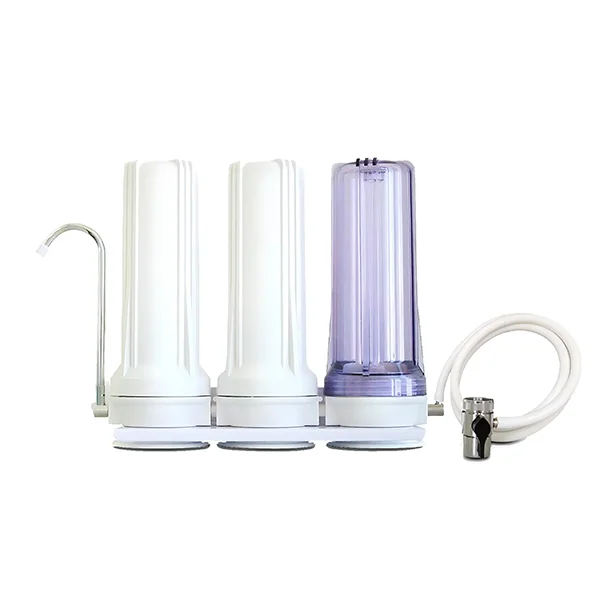
  • Tankless or small RO water purifier: It ensures water quality suitable for beverage preparation and cooking, with the option of a tankless design to save space and ensure fresh water.
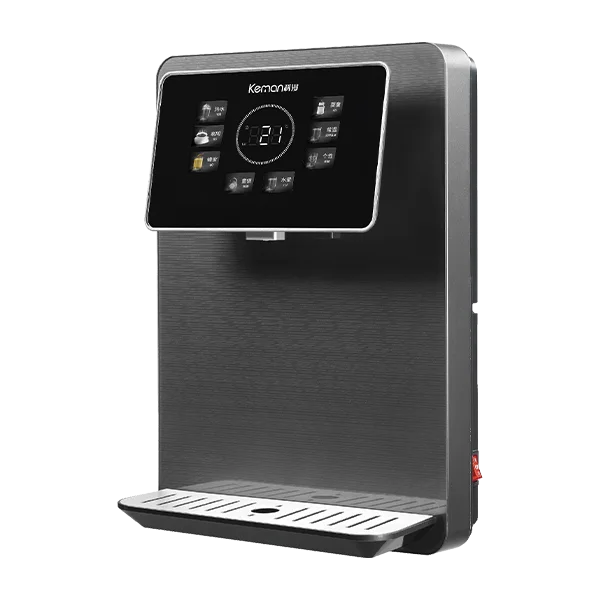
  • Countertop heating/cooling water dispenser: For making hot and cold drinks, it offers diverse functions to meet peak demand.
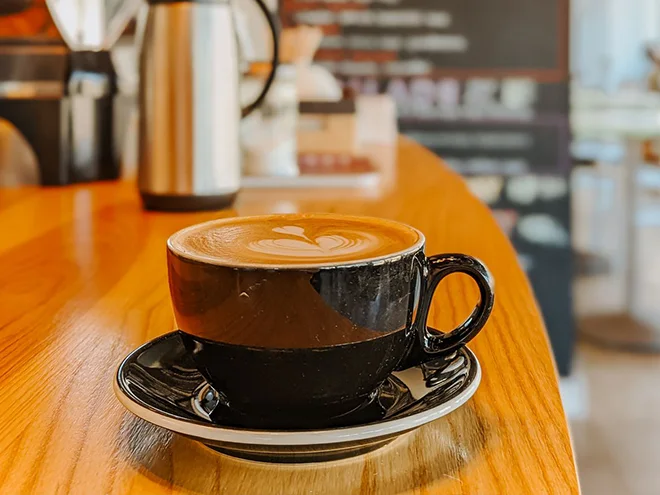
A cup of coffee placed on the table
Medium-sized Catering Establishment

Chinese Restaurants, Fast Food Chains, etc.
Demand Characteristics:
  • High water consumption is required to simultaneously meet the needs for cooking, cleaning, and drinking.
  • The equipment needs to have stable performance and support continuous operation.
Recommended Installation:
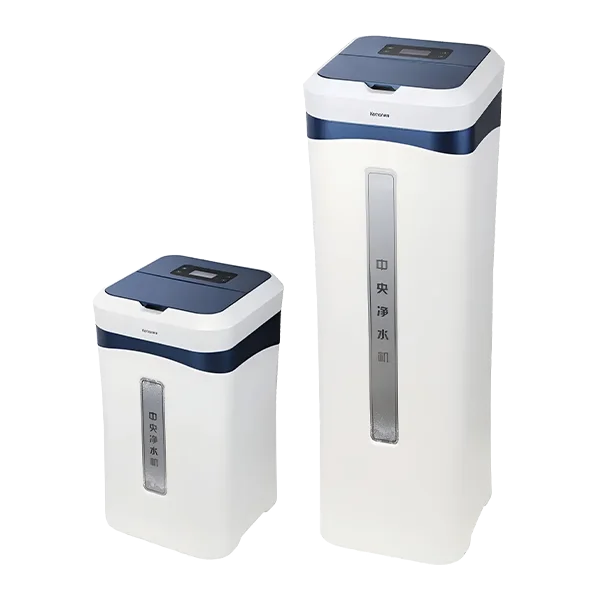
  • Central water purifier: It removes residual chlorine, fine suspended particles, organic substances and odors, providing cleaner water for use.
  • RO water purifier: Provides pure drinking water, ensuring the dietary safety of consumers.
  • Hot and cold integrated pipeline machine: It saves space and is suitable for providing hot and cold water.
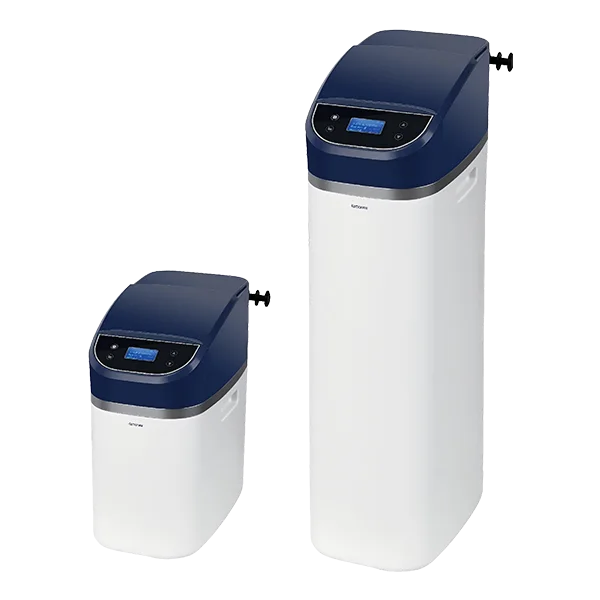
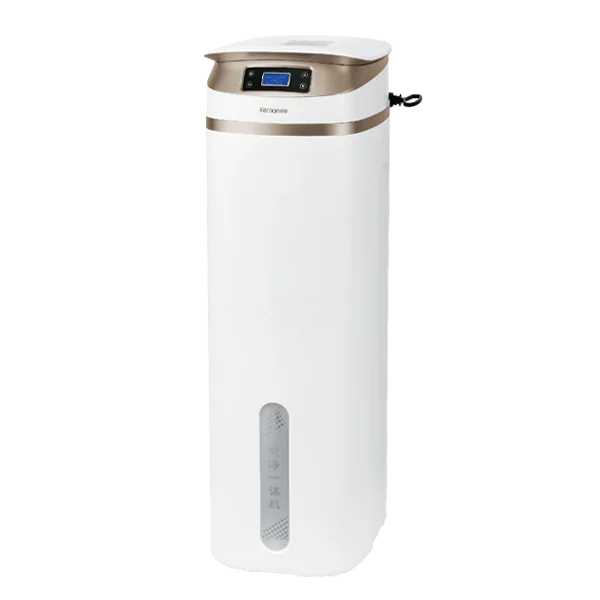
  • Water softener: It softens water quality, protects kitchenware and hot water equipment, and is especially important for medium-sized food services in hard water areas.
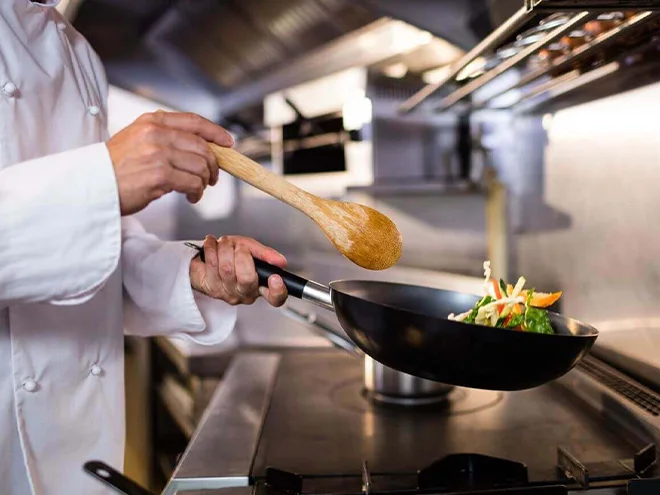
A person cooking with a frying pan and spatula
Large Catering Establishment

Hotels, banquet halls, large food service chains, etc.
Demand Characteristics:
  • High water consumption requires centralized management, and equipment must be efficient and durable.
  • Multiple places and departments use water simultaneously, requiring a stable water supply.
Recommended Installation:
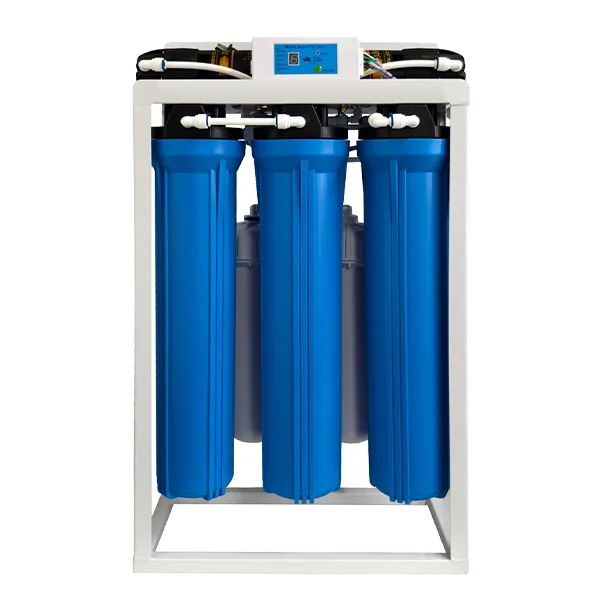
  • Centralized water supply system: It is equipped with large industrial-grade filtration equipment, combining sand filtration, activated carbon filtration, and reverse osmosis technology, to meet the needs for drinking and cooking water. Add storage tanks to handle peak water demand periods.
  • Commercial RO water purifier: It has high daily water treatment capacity, suitable for multi-point water supply needs. Besides, it is equipped with an intelligent control system for real-time monitoring and adjustment of water consumption.
  • Central water softener: It effectively extends the lifespan of purification, hot water, and other water-related equipment.
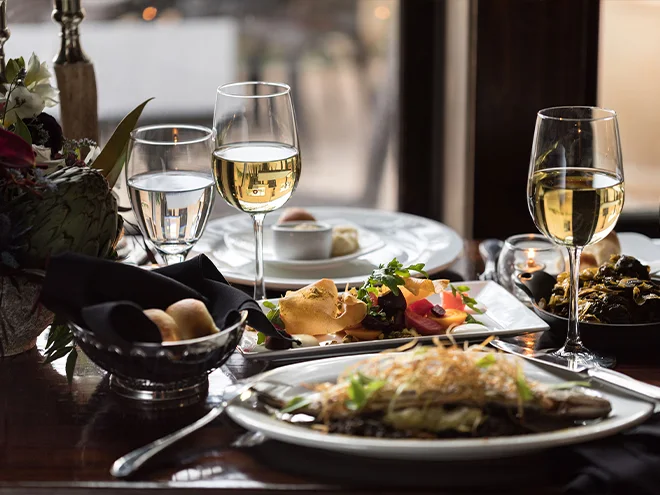
Many drinks and dishes placed on the table.
Precautions
  • Ensure water quality safety. Ensure that the water used meets national drinking water hygiene standards, and regularly test the quality of the water, especially for direct drinking water and cooking water, to avoid microbial contamination and excessive heavy metals.
  • Equipment selection and configuration. Select appropriate water purification equipment based on the size and business type of the restaurant, and install special water filtration devices for equipment such as ice makers and coffee machines to reduce the damage caused by scale and impurities.
  • Flow and pressure assurance. Select equipment based on peak water consumption to avoid insufficient water supply, and install booster pumps or pressure reducing valves to prevent equipment from malfunctioning or being damaged due to unstable water pressure.
  • Equipment maintenance and cleaning. Replace pre-filters, water purifier filter cartridges, and membrane elements promptly to avoid blockages or aging that could affect water quality.
Frequently Asked Questions
  • Q: How to ensure the safety of drinking water for customers?

    A: Equip with RO water purifiers to ensure drinking water is free of impurities and odors, regularly test the water quality, and provide standard-compliant test reports.

  • Q: During peak hours at the restaurant, water consumption is high. How to ensure water supply?

    A: Choose high-flow water purification equipment and install a booster pump to ensure stable water pressure.

  • Q:How to solve the problem of scale?

    A: Install a water softener to reduce water hardness and protect equipment such as boilers and coffee machines.